
On the limits of nudging
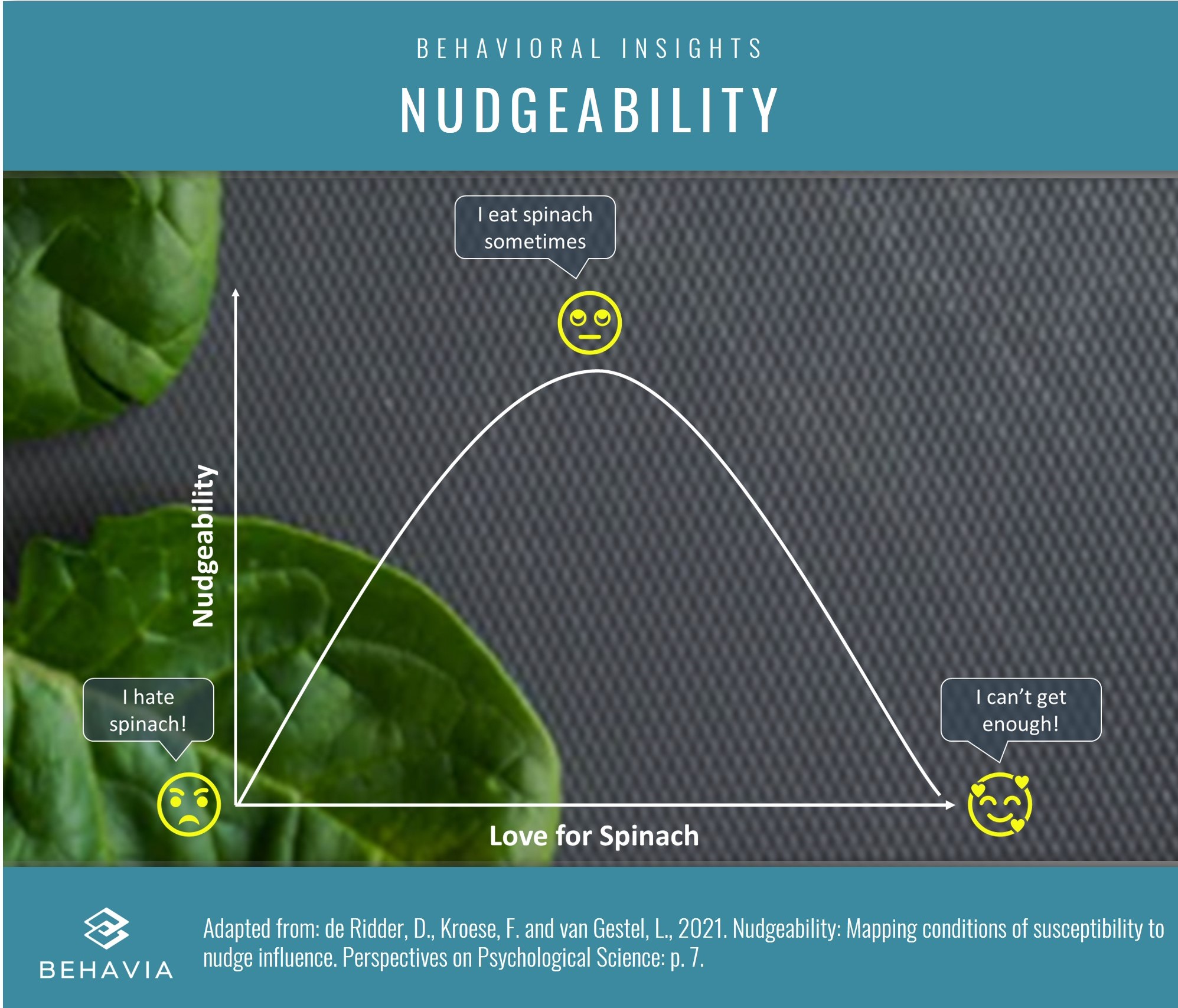
A newly published article by de Ridder et al. (2021) investigates what makes people ‘nudgeable’, i.e. receptive to nudge interventions. They argue that nudgeability depends on the strength of preexisting preferences.
Behavioral Public Policy and Economics GmbH
A newly published article by de Ridder et al. (2021) investigates what makes people ‘nudgeable’, i.e. receptive to nudge interventions. They argue that nudgeability depends on the strength of preexisting preferences.

We are very pleased to welcome Fahad Alsharif, Ph.D. as a Senior Affiliate to our team.
Dr. Fahad is a distinguished scholar in labor, social and migration policies and Senior Research Fellow at the King Faisal Center for Research and Islamic Studies (KFCRIS) in Riyadh, Saudi Arabia.

Limited-time offers have long been used by salespeople and marketers to lure customers to snatch up bargains. The less time customers have to think, one might assume, the more likely it is that they make an impulsive purchase and stop looking for alternatives.

With the rise of humanitarian emergencies in the world, we are more than ever in need of global solidarity. What can we do to help foster prosocial behavior and increase donations for disaster relief? Here are some tips and examples for marketers, CSR professionals, and decision-makers.

Upon invitation of the MiSK Foundation, our director Dr. Manuel Schubert joined the final presentations of MiSK’s Ignited Voices program as a judge.

Eid Al-Adha Mubarak to all friends, partners and colleagues. We wish you and your families a very happy and peaceful Eid break.

Our director Julia Stauf gave a guest lecture on Behavioral Insights and Fundraising as part of the Behavioral Operations class of Prof. Dr. Nicolas Fugger, University of Cologne – a great opportunity to bridge theory and practice with inspiring discussions on how to improve donation campaigns for NGOs.
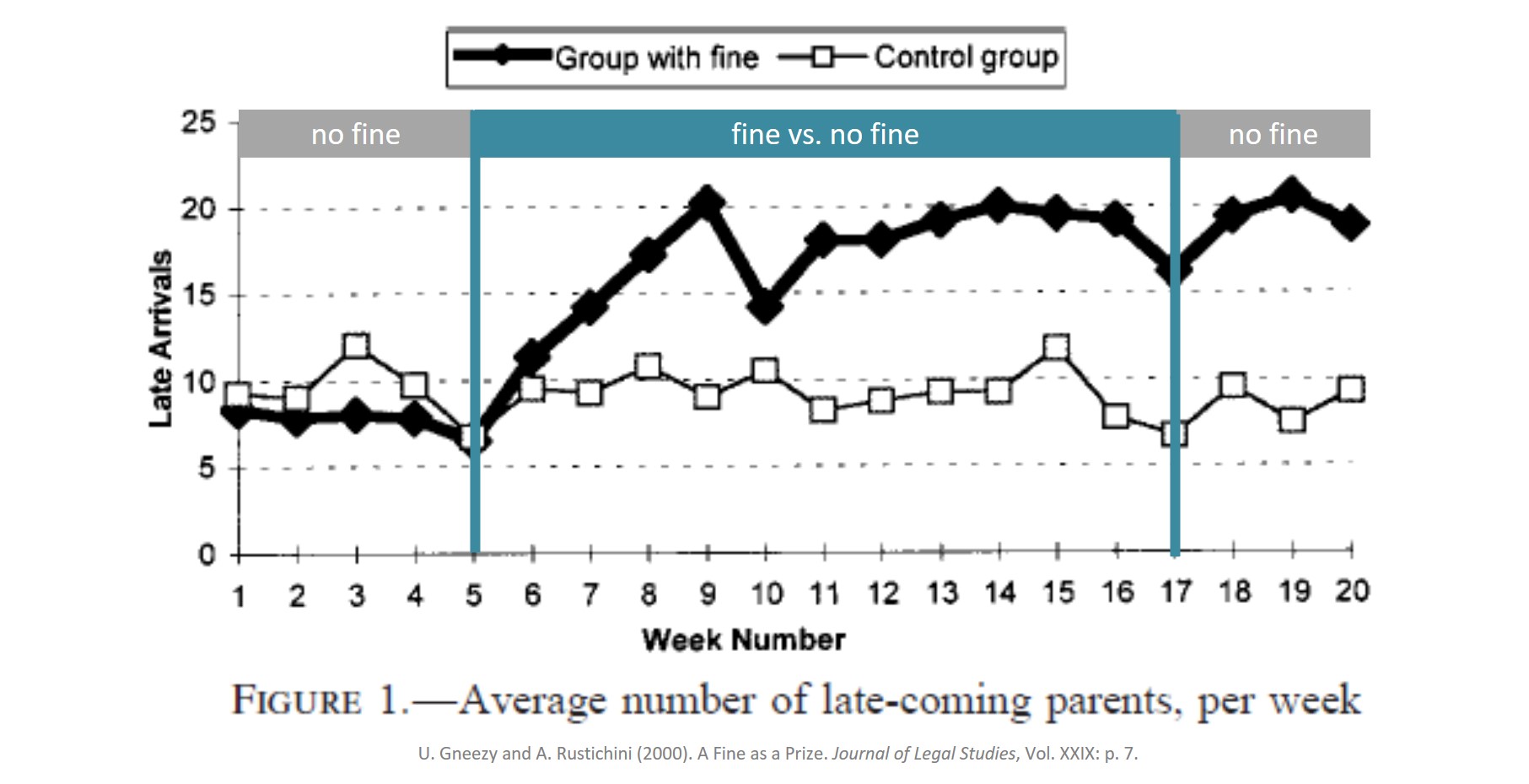
The number of people who do not show up to their COVID-19 vaccination appointments in Germany is increasing. Decision-makers are now discussing fines for people who do not show up on time. The idea is that fines would reduce the number of no-shows. But is this really what we can expect?

Behavia‘s alma mater and academic incubator, the University of Passau, has been ranked among the top 10% according to the THE Young University Ranking for 2021. Among the universities aged 50 or younger, Passau secured the 33rd rank (out of 475) and came in 4th among all German universities.

Last day of the 8th seminar on “Behavioral Economics and the Seven Sins” at the University of Passau, Germany. Today, we focused on moral balancing, overconfidence, emotional states, procrastination, and trust with lots of interactive experiments and great discussions.