
Happy Eid Al-Adha

Eid Mubarak, dear all. We wish you and your families a very happy and peaceful time.
Behavioral Public Policy and Economics GmbH
Eid Mubarak, dear all. We wish you and your families a very happy and peaceful time.
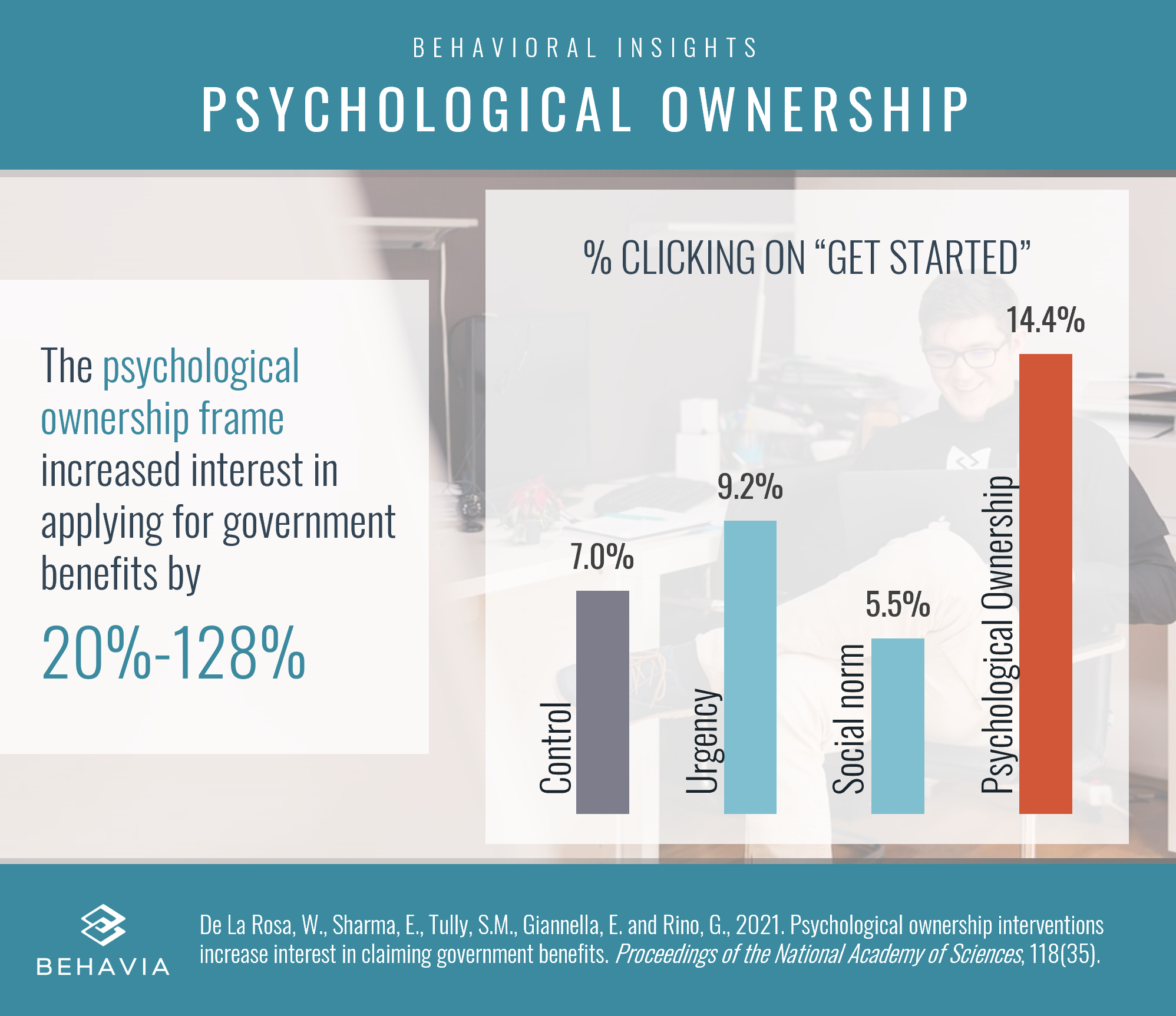
It is estimated that billions of dollars in government benefits, which are important for reducing rising income inequality and fostering well-being, are forgone annually in the US by millions of people who are eligible for them. Among other reasons, this participation gap can be due to a lack of awareness, the complexity of the process, or the discomfort around asking for financial help.
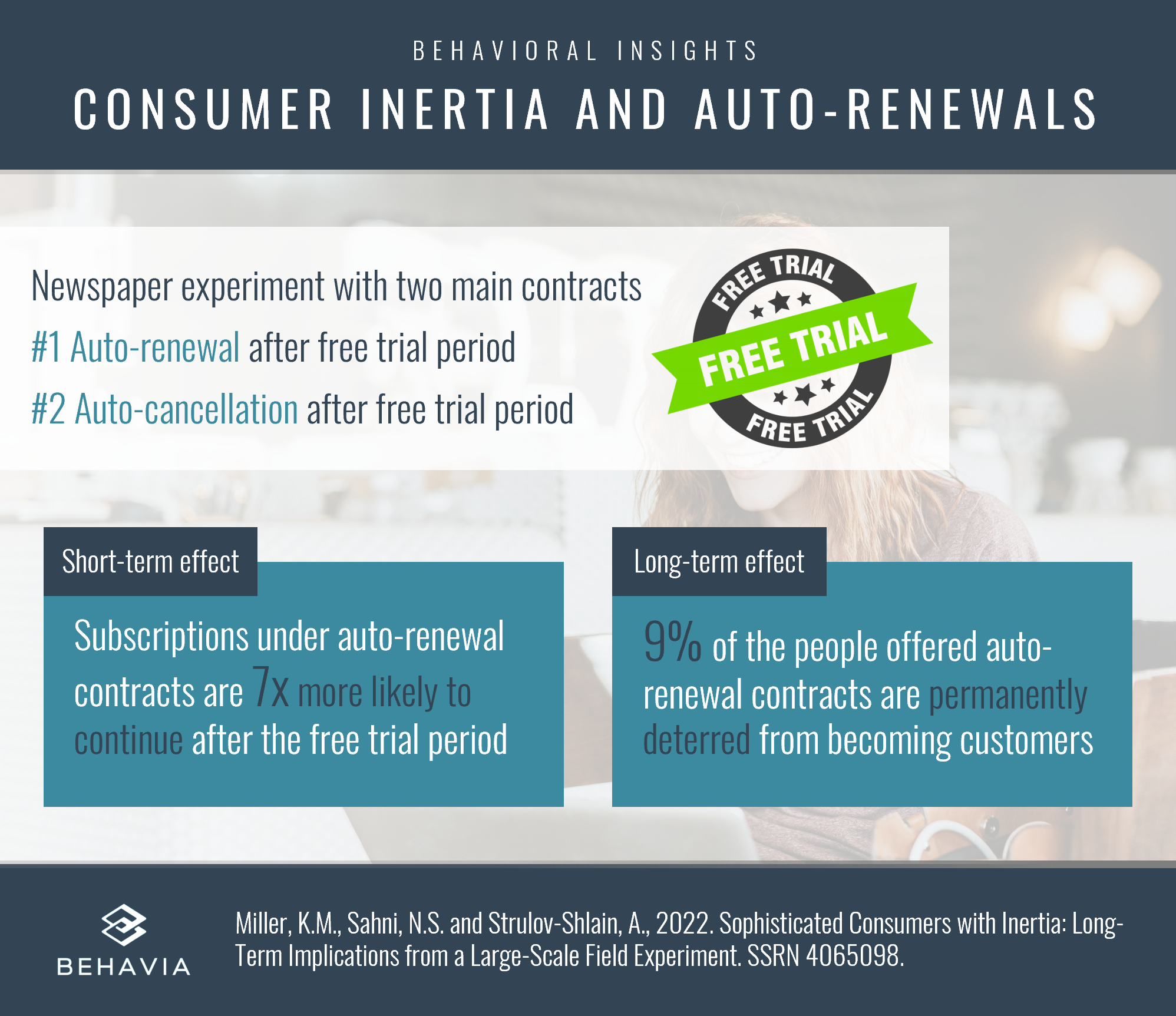
The use of auto-renewals in free-trial offers, which seek to lure us into entering a long term subscription, has been exploding recently. But are these offers really successful in changing our subscription behaviors? Or are we gradually becoming suspicious and eventually immune toward them?

Eid Mubarak, dear all. We wish you and your families a very happy and peaceful time.

Are you an experienced researcher who believes that government policies should empower people to make better choices? Do you think that insight from behavioral experiments can help design policies that are closely aligned with people’s true preferences and preserve individual autonomy? If yes, then Anja wants to hear from you!

Cycling does not only improve your health but is also the most eco-friendly mode of urban transport. For these reasons, many countries have introduced financial incentives to encourage commuters to get on their bikes. But how effective are they in boosting cycling?

We wish you a blessed Ramadan 2022. May you celebrate it with your beloved ones being safe, well and happy.
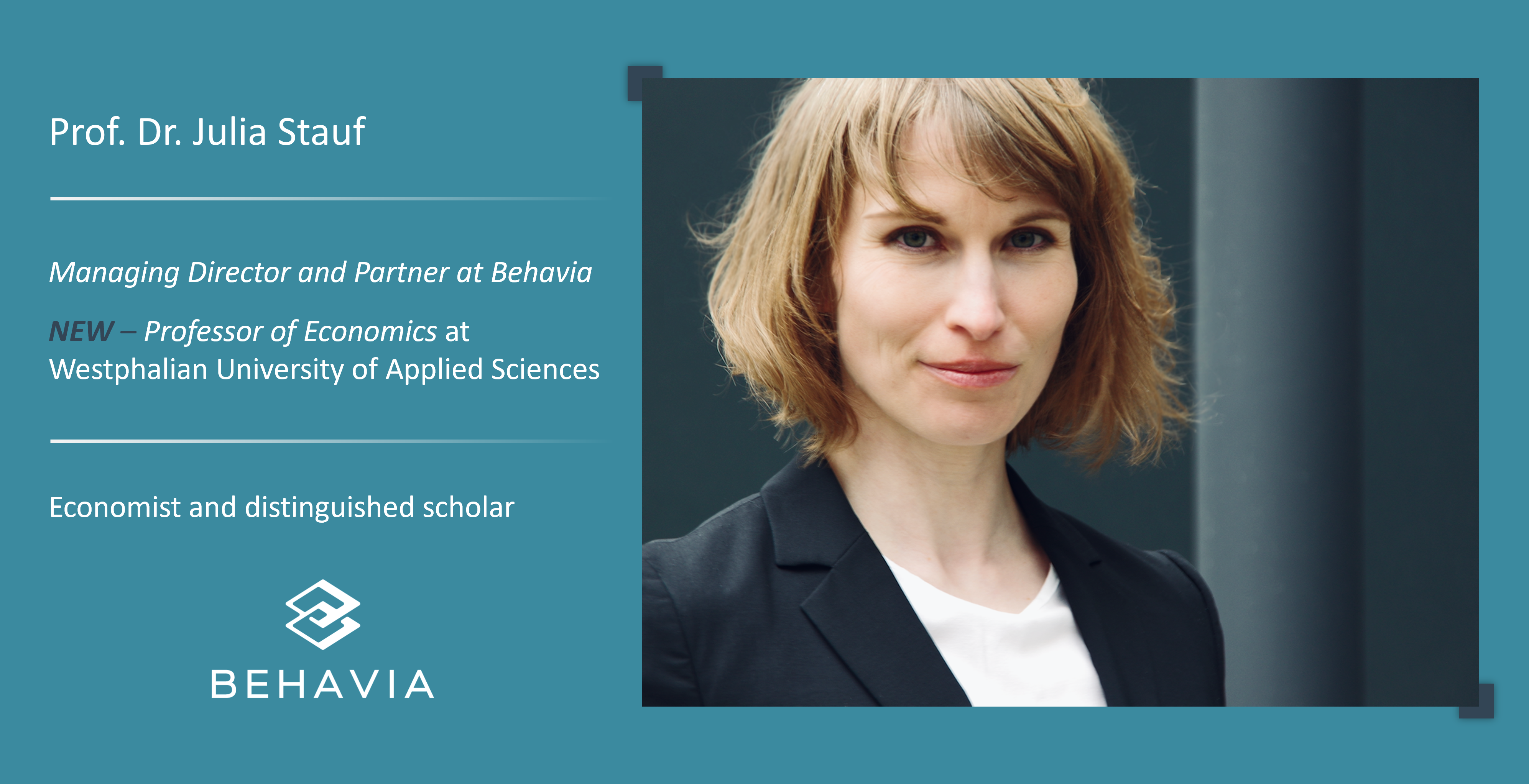
We are pleased to announce that our director Dr. Julia Stauf has been appointed Professor of Economics at the Westphalian University of Applied Sciences in Gelsenkirchen, Germany, where she will pursue her passion for teaching, helping students use different lenses to better understand why economies, markets and people behave the way they do.

Sociologists have observed that humans tend to value symmetric social relations. That is, when we think of someone as a close friend, we also believe that they consider us as theirs.
Of course, not every social relation is symmetric. The other person might think differently about us. However, we tend to overlook such differences and, instead, overgeneralize our view.
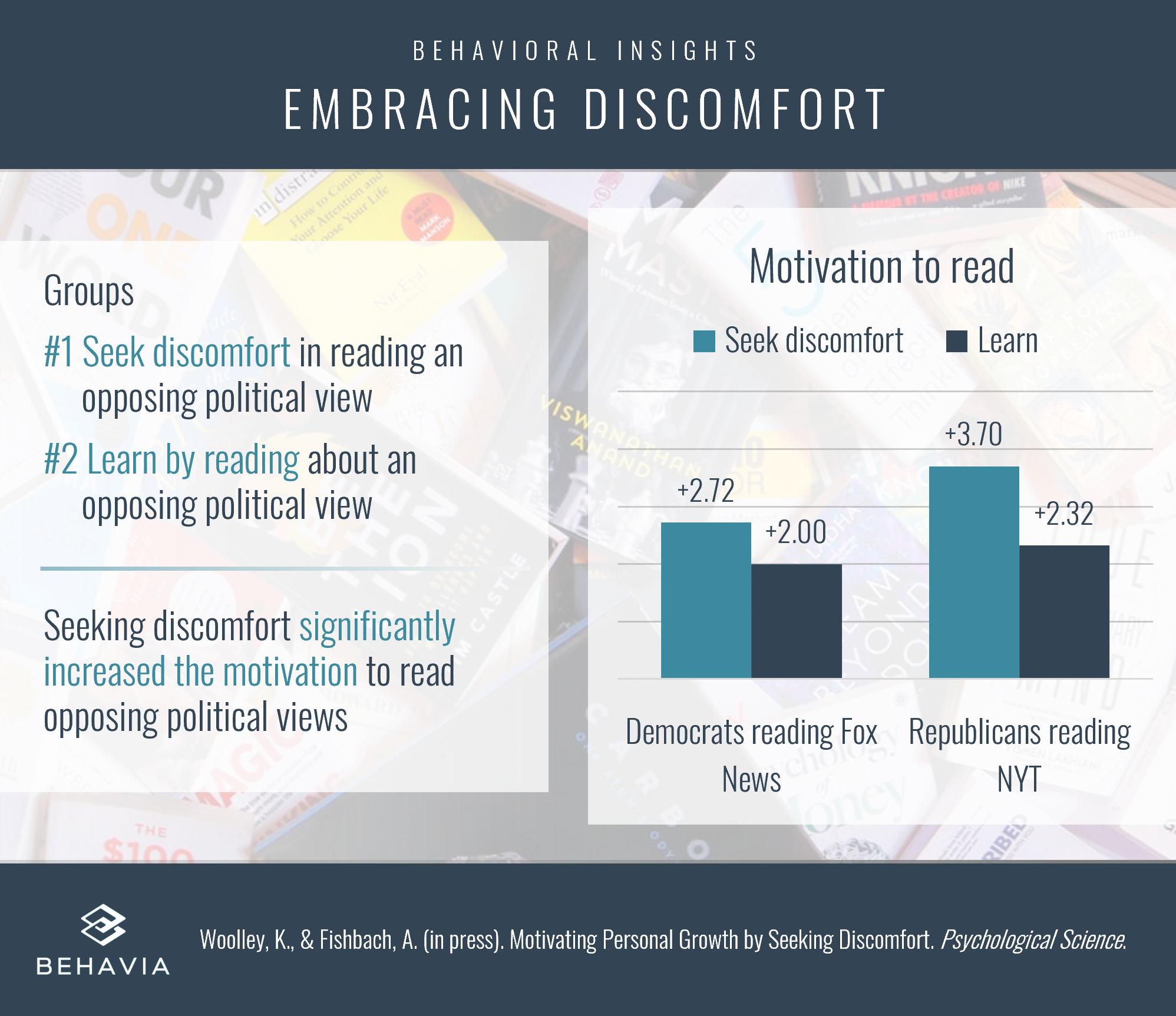
In many areas of personal growth, the goals we set are coupled with discomfort and pain that challenge our perseverance and initial motivation. But what if we could embrace the pain as a positive indicator for progress instead of a negative sign of difficulties?