Behavioral Public Policy and Economics GmbH
Previously, we discussed how the concept of time inconsistency can explain why we sometimes act against our own interest, and we identified different types of time-inconsistent decision makers. Now let’s turn to the really important part: strategies to save us from ourselves.
Last week, we identified time-inconsistent decision making as the main reason for our chocolate issues. We will now look into it in a bit more detail.
Behavioral economists group people with respect to the extent of how much self-control problems they exhibit and their awareness of these problems.
“Oh no, I did it again. My chocolate supply vanished into thin air. Okay, okay, not into the air, but into my belly. I just don’t get it. When it comes to sweets, I just cannot control myself.
I’m not a fool, I do know that devouring an entire bar of chocolate a day isn’t good for me in the long run. Strangely enough though, this happens every time I buy some. Why on earth can I not stick to my plans and just eat two pieces a day?!
Seems like “future me’ is a different version of “present me’ and dislikes performing my initial plans. What’s wrong with me?’
Well, from a behavioral economist’s point of view, the diagnose is that you suffer from time-inconsistency and a projection bias. But you’re not alone. Time-inconsistency is very common among humans, and there are remedies to cure it.
‘The very essence of romance is uncertainty.’ Oscar Wilde, The Importance of Being Ernest
It is a common misconception that economists don’t have feelings. We do, just like normal people. But we do tend to struggle a bit when it comes to expressing those feelings, due to our natural pragmatism that has been enhanced by years of training. If you tell someone you really like that they are second best, an economist will understand this is a massive compliment: this person is the best you could ever hope to find in a real, imperfect world. However, someone less trained in distinguishing between feasible and non-feasible solutions may find this rather odd and offensive. Why wouldn’t you just tell them they are first best, or simply perfect?
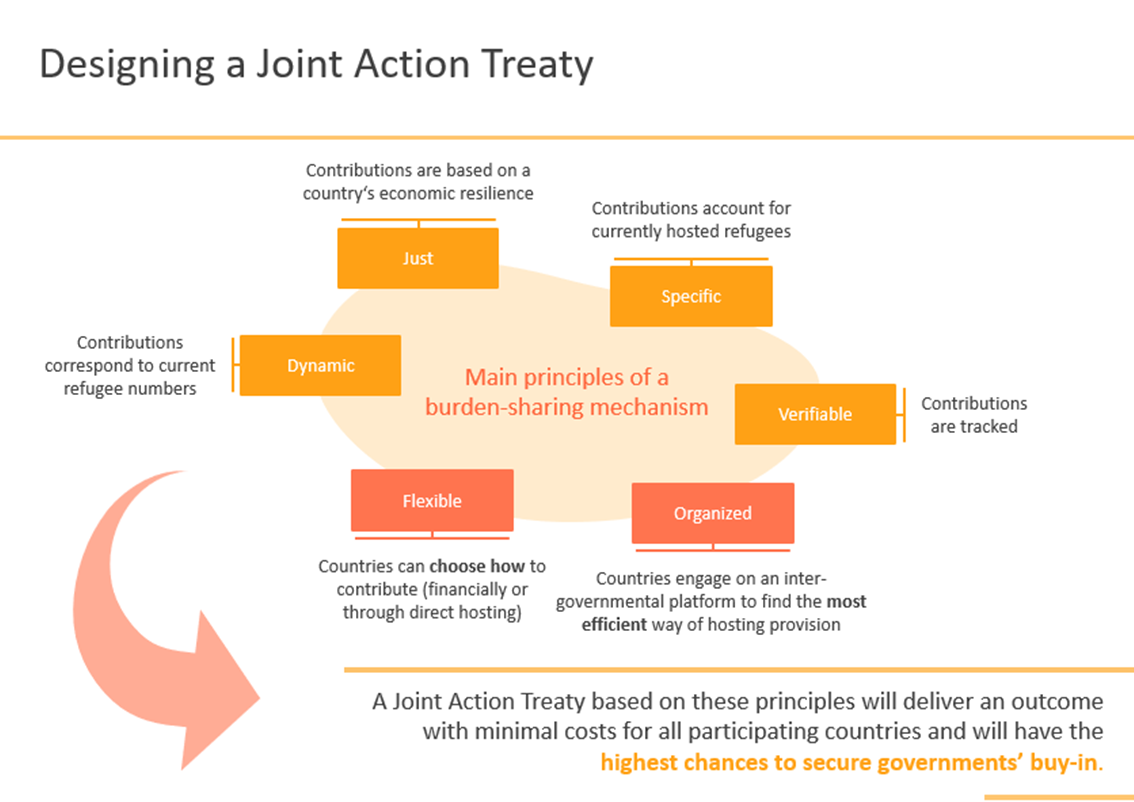
Let’s be honest. Why should we care about intangible global goods like climate change, international security or global market stability? Whatever we or our governments do, we will not be able to turn the world into a better place on our own. Of course, we would appreciate the provision of such goods; praise the one who would shoulder the burden. After all, we would acknowledge that global public goods are preconditions for economic prosperity and sustainability. But let us face the facts: we live in autonomous states with national interests and societies, not in a global village. And, even more important, none of us could ever be excluded from the gains arising from economic or social stability. So why should we agree to any of these global deals? There is nothing to win. Why should far-away Europe, for example, host Syrian refugees when Jordan or Lebanon are the natural candidates?