On the limits of nudging
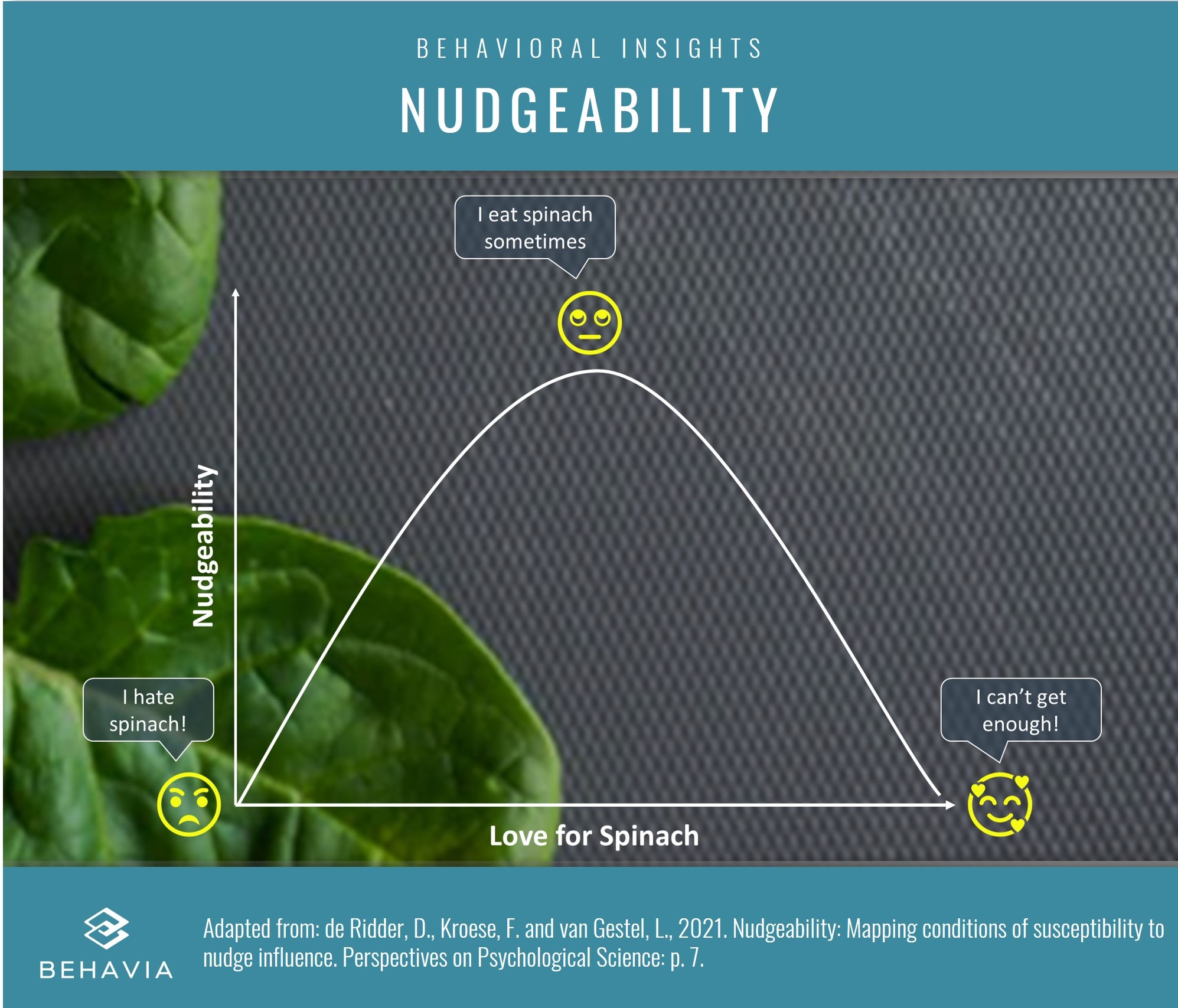
A newly published article by de Ridder et al. (2021) investigates what makes people ‘nudgeable’, i.e. receptive to nudge interventions. They argue that nudgeability depends on the strength of preexisting preferences.
Behavioral Public Policy and Economics GmbH
A newly published article by de Ridder et al. (2021) investigates what makes people ‘nudgeable’, i.e. receptive to nudge interventions. They argue that nudgeability depends on the strength of preexisting preferences.
Limited-time offers have long been used by salespeople and marketers to lure customers to snatch up bargains. The less time customers have to think, one might assume, the more likely it is that they make an impulsive purchase and stop looking for alternatives.
With the rise of humanitarian emergencies in the world, we are more than ever in need of global solidarity. What can we do to help foster prosocial behavior and increase donations for disaster relief? Here are some tips and examples for marketers, CSR professionals, and decision-makers.
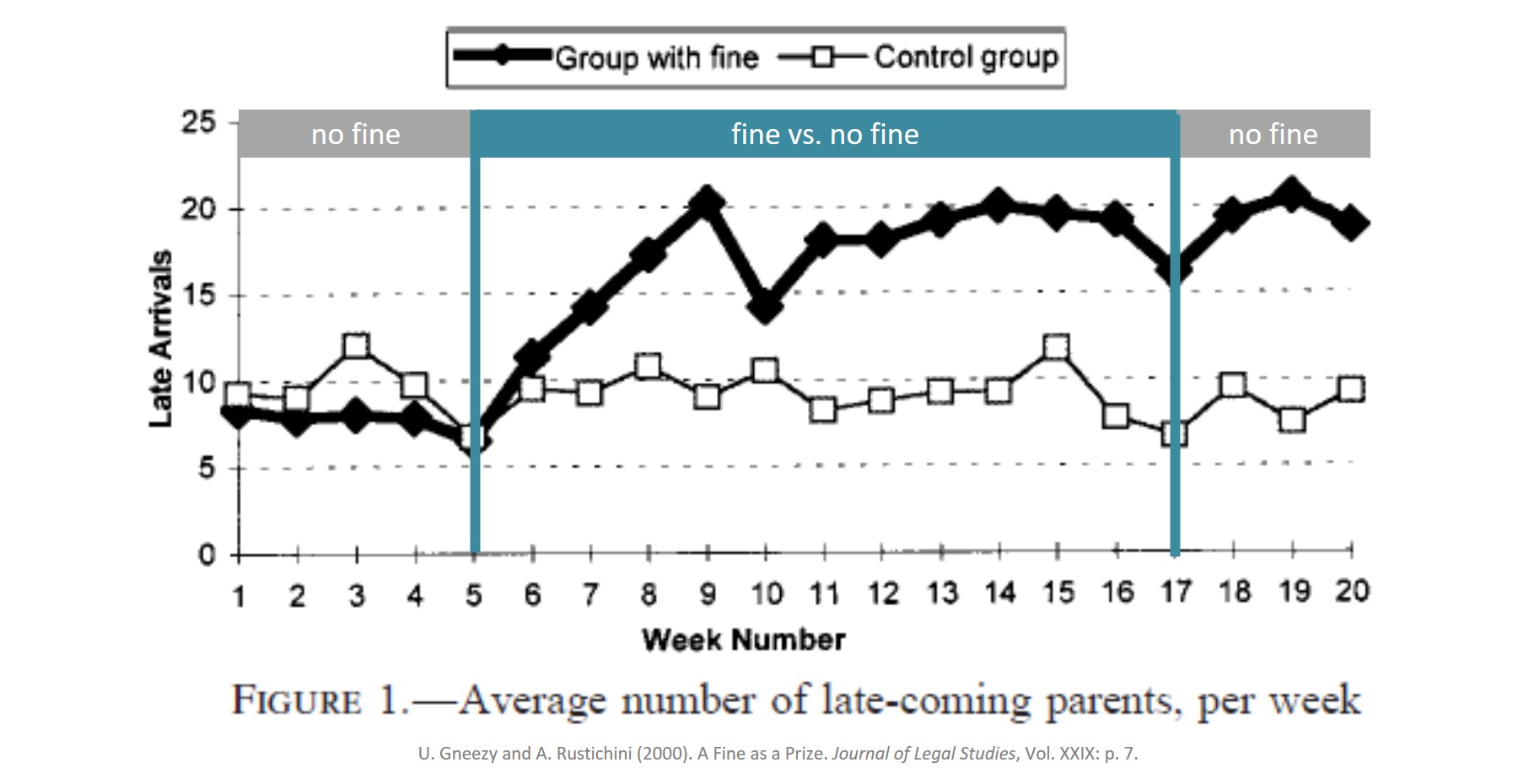
The number of people who do not show up to their COVID-19 vaccination appointments in Germany is increasing. Decision-makers are now discussing fines for people who do not show up on time. The idea is that fines would reduce the number of no-shows. But is this really what we can expect?
For weeks, the vaccination campaign in Germany has been subject to debate and criticism. Less than 3% of the population have been fully vaccinated so far. At this pace, it would take more than 1.5 years to immunize 70% of the German population.
Decision-makers are now trying to improve communication efforts to increase uptake rates. The aim is to convince more people to get vaccinated. Coming from a process perspective, our directors argue in a critical commentary that this approach neglects other important elements: Vaccination uptake is not only driven by people’s intentions, but also by their ability to follow through with their plans.
Community infrastructure can have a huge impact on people’s behaviors, attitudes, and habits. How can urban planning improve wellbeing, social cohesion and group identity?

Governments around the globe have started to apply behavioral insights to boost impact and initiate behavioral change at a large scale.
In this white paper, we introduce the key concepts of this new and groundbreaking avenue in public policy and show how it can help to empower people to take ‘better’ decisions in daily life.
We present a series of cases and examples tailored to the Saudi context and discuss how behavioral insights can contribute to achieving Vision 2030.